St Paul’s Cathedral: the complete visitor guide
The short version: St Paul’s is Christopher Wren’s cathedral of 1675–1710, the fourth on a site used for worship since 604 AD, and it is open for ticketed sightseeing Monday to Saturday from 8.30am with last entry usually at 4pm. Attending a service is free; sightseeing is not. One ticket covers the nave, the crypt and its tombs, and a stairs-only climb of 257 steps to the Whispering Gallery, 376 to the Stone Gallery and 528 to the Golden Gallery. There is no lift on the dome route.
I walk past St Paul’s most working days and I climb it more often than is strictly reasonable, and the thing I hear most in the churchyard is some version of “wait, you have to pay?” You do, for sightseeing. Services are free. That single distinction sits behind almost every mistake people make here, and the rest of this page is the context I would give you if you stopped me on the steps.
The fourth cathedral on this hill
There has been a cathedral on this ground since 604 AD. The first three are gone: Vikings, fire, and then the Great Fire of London in 1666, which took Old St Paul’s along with most of the medieval City. What you walk into now is the fourth, built between 1675 and 1710 to Christopher Wren’s design, English Baroque, Grade I listed, 111 metres tall and the tallest building in London for two and a half centuries until 1963. It carries the second-largest cathedral dome in the world. Wren is buried in the crypt he built, under an epitaph telling the reader that if they seek his monument they should look around them.
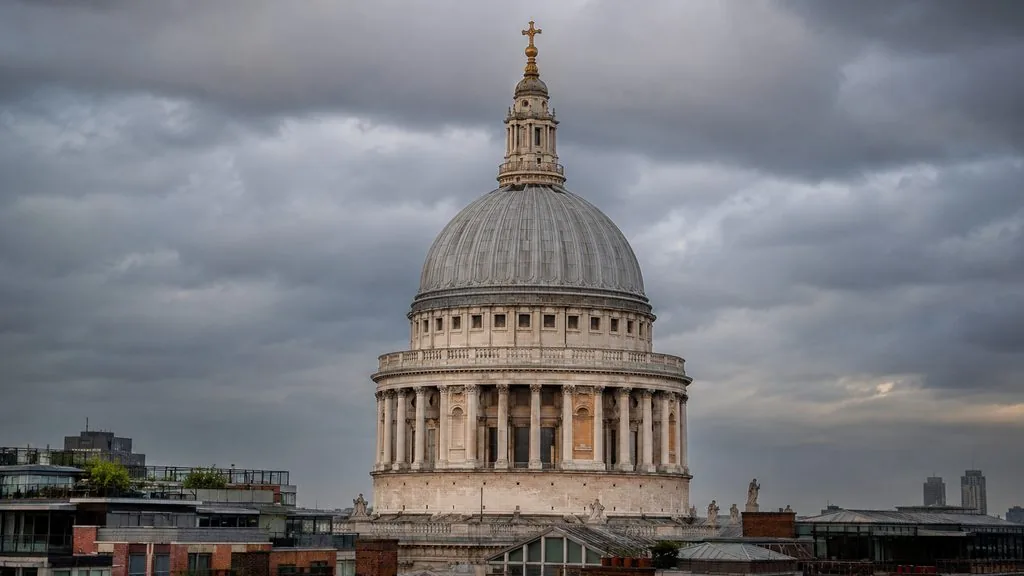
One dome, three domes
The dome is the part worth understanding before you go, because you meet all three of its layers in one visit without necessarily noticing. Wren wanted a shallow painted ceiling inside and a tall silhouette outside, and those two things fight each other. His answer was to build both and hide a third structure between them. The inner dome, 69 metres high and 31 metres across, carries Thornhill’s painted scenes and is what you see when you stand on the floor and tip your head back. Above it sits a brick cone doing the structural work. Above that is the outer lead dome, 85 metres high and 34 metres across, the one on every photograph of the London skyline. The whole assembly weighs around 65,000 tons. When you climb, you are walking up through the gap between the layers.
What the ticket actually buys
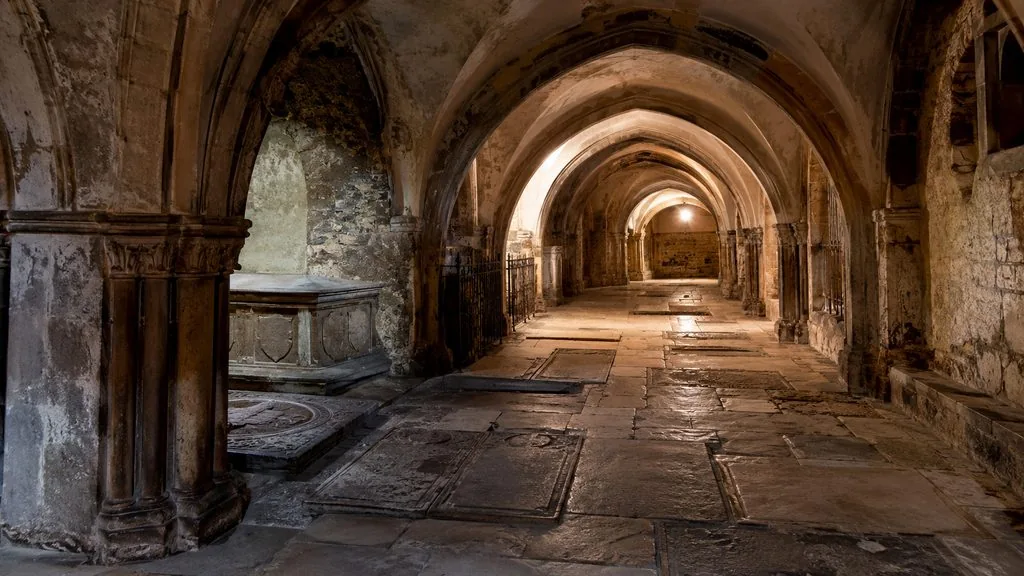
A standard entry ticket is valid for the whole day of the date you book, and it is not just the floor. It covers the nave, the quire with its carved stalls, its great organ and the mosaics overhead, the American Memorial Chapel behind the high altar, the seven chapels, the crypt — the largest in Europe, holding Nelson, Wellington and Wren, with a 270° film — and all three dome galleries. A multimedia guide comes with it in nine languages. The cathedral also runs free guided tours and talks inside on a limited number of spots; you register for those when you arrive rather than reserving them ahead, so treat them as a bonus, not a plan. Ticket tiers exist for adults, seniors, students, children in the 6–17 band and two family combinations, under-6s go free, disabled visitors and one carer are admitted free, and there is a discounted scheme for UK residents on qualifying benefits. Every tier comes with an optional voluntary donation you can decline. Booking online is what keeps you out of the walk-up queue in the churchyard.
The climb, honestly
257 steps to the Whispering Gallery, 376 to the Stone Gallery, 528 to the Golden Gallery, all counted from the cathedral floor. There is no lift on that route, and the staircase narrows and steepens as you go, with the last stretch enclosed. The Whispering Gallery is the famous one and the overrated one: the acoustic trick works, a word spoken softly against the curved wall does travel round, but it is also where the crowd bunches. The Stone Gallery is where the view actually opens up. The Golden Gallery, at the base of the lantern, is the reward. The cathedral advises against the climb for anyone with a pre-existing medical condition, a mobility difficulty, or a problem with heights or confined spaces, and I would take that at face value rather than find out at step 400. If the stairs are out, the floor and the crypt are fully served by ramps and lifts, and step-free entry is at the North Transept.
Why the building is still standing
The photograph of the dome above the smoke of the Blitz did a great deal of work for British morale, but the survival was not luck. The St Paul’s Watch, over 300 volunteers, acted as the cathedral’s own fire brigade through the raids. This is also where the state funeral of Winston Churchill was held, though he is not buried here, where Prince Charles married Lady Diana Spencer in 1981, and where both World Wars, royal jubilees, Remembrance Day and the commemoration of 11 September 2001 have been marked.
Getting the timing right
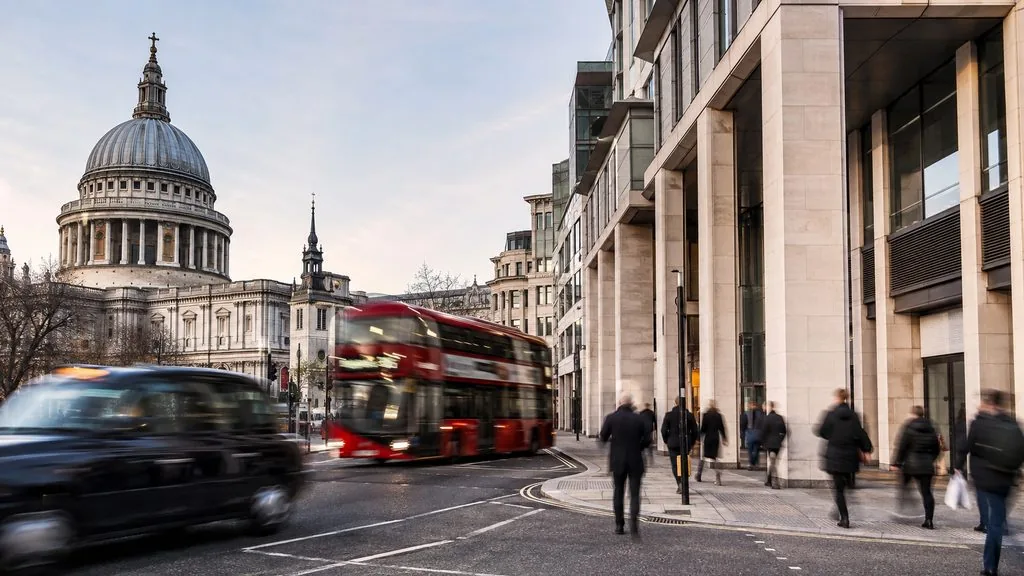
This is the part people lose money on. Sightseeing runs Monday to Saturday, doors at 8.30am. The dome galleries open later, at 9.30am, and shut earlier: last entry to the galleries is usually 4.15pm and last sightseeing entry usually 4pm, with everyone out 30 minutes after last entry. Sunday is a worship day and there is no general sightseeing, although in 2026 the three dome galleries open on Sundays between 15 March and 25 October. Times shift for services and events, so check the cathedral’s published calendar for your specific date. My own rule: come at opening, do the climb first while your legs are fresh and the galleries are empty, then take the floor and the crypt slowly on the way out. The cathedral is at St Paul’s Churchyard, EC4M 8AD, two minutes from St Paul’s station on the Central line, and a good deal prettier if you walk in over the Millennium Bridge from Bankside.
Ready to book?
Straight admission is the one most people want, and it is the one below. If you would rather arrive with a guide already talking, the guided walks that end inside the cathedral are the alternative, and the full comparison is here. Prices move, so the widget shows the live figure rather than something I typed months ago.
Frequently asked questions
Do you need a ticket to enter St Paul’s Cathedral?
For sightseeing, yes. Attending a service is free and always has been, but walking the nave, the crypt and the dome galleries as a visitor requires a sightseeing ticket. See the ways in that cost nothing and how the ticket tiers work.
How many steps is the dome at St Paul’s?
257 steps to the Whispering Gallery, 376 to the Stone Gallery and 528 to the Golden Gallery at the top, counted cumulatively from the cathedral floor. It is stairs only — there is no lift. The climb, level by level.
Is St Paul’s Cathedral open on Sundays?
Not for general sightseeing — Sunday is a worship day. In 2026 the three dome galleries open on Sundays between 15 March and 25 October as a seasonal exception. Check the opening hours in full before you plan around it.